8 Key Metrics an AI Skin Analysis Can Track (That You Can't See in the Mirror)
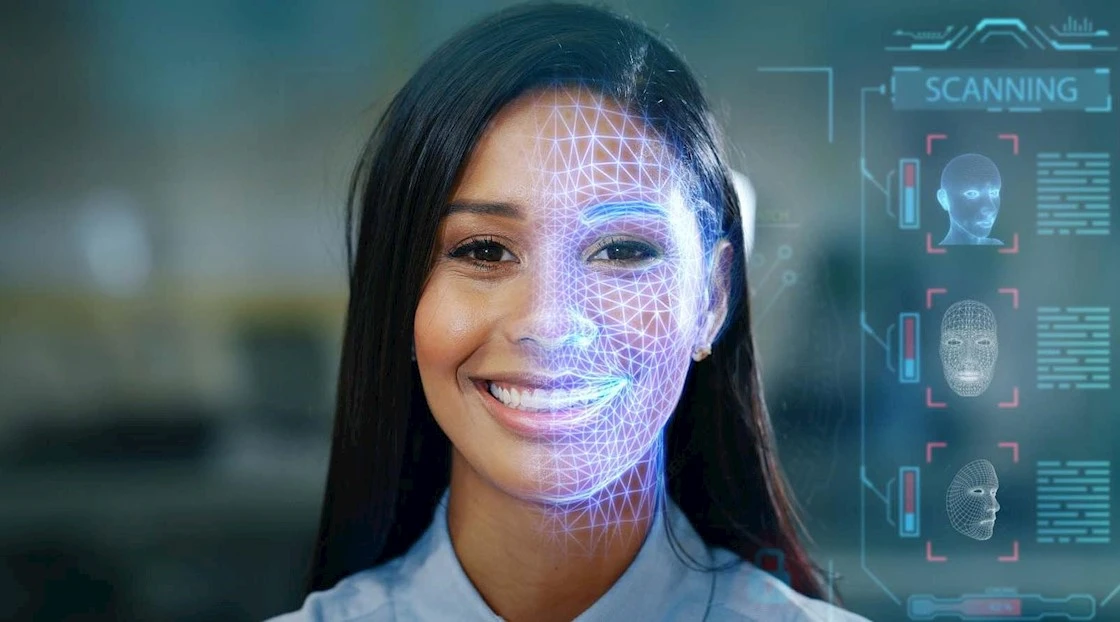
Most people rely on mirrors, selfies, or casual observations to judge skin health. While these methods show surface-level changes, they miss deeper patterns that affect long-term skin condition. AI-driven skin analysis fills this gap by measuring data points beneath the visible layer. These metrics help dermatologists, clinics, and skincare brands assess skin with precision rather than guesswork.Below are eight critical skin metrics that AI skin analysis can track metrics no mirror can reliably show.
1. Subsurface Pigmentation Distribution
Uneven skin tone often begins beneath the surface long before dark spots appear. AI skin analysis detects pigmentation patterns at multiple skin depths, including melanin clusters that have not yet surfaced. This insight allows professionals to address discoloration risks early instead of reacting after visible damage forms.By mapping pigment concentration, AI tools also distinguish between sun-induced pigmentation and hormonally driven changes, which require different treatment approaches.
2. Fine Line Formation at the Micro Level
The mirror only reflects wrinkles once they become established. AI systems measure micro-folds and early structural changes in the skin matrix that signal future wrinkle development. These micro-lines appear due to repeated facial movement, collagen depletion, and hydration loss.Tracking this metric helps practitioners recommend timely interventions that slow visible aging rather than mask it later.
3. Pore Density and Structural Deformation
Pores do more than expand or shrink. Their shape, depth, and density reveal oil flow, elasticity loss, and skin congestion. AI analysis evaluates pore geometry across the face, identifying areas where pores stretch due to aging, excess sebum, or weakened support structures.This metric helps differentiate between pores enlarged by oil production and those altered by collagen breakdown—two conditions that require different care strategies.
4. Sebum Flow Patterns
Skin oil does not spread evenly. AI systems map sebum secretion patterns across zones of the face, identifying imbalances that cause breakouts, shine, or dryness. Unlike visual inspection, AI detects oil activity even when the surface appears matte.This data supports better product selection and treatment timing, especially for individuals whose skin alternates between oily and dry states throughout the day.
5. Dehydration at Multiple Skin Layers
Dryness does not always mean dehydration. AI skin analysis measures moisture levels across different layers, revealing whether the skin lacks water, lipids, or both. Many people apply heavier products when the real issue lies deeper in the skin barrier.By tracking hydration loss beneath the surface, AI tools help professionals address the root cause instead of treating symptoms alone.
6. Redness and Vascular Reactivity
Redness fluctuates based on blood flow, inflammation, and sensitivity. AI detects subtle vascular responses that the eye often misses, including early signs of rosacea-prone skin or irritation caused by product overuse.This metric matters for individuals who experience stinging, flushing, or reactive skin without visible redness at rest. Early identification reduces the risk of long-term sensitivity.
7. Texture Irregularities Below the Surface
Smooth skin can still hide uneven texture beneath the top layer. AI analysis captures micro-level roughness caused by clogged follicles, slow cell turnover, or early scarring. These irregularities often lead to dullness or uneven makeup application before they become visible.Monitoring this metric allows skincare professionals to refine exfoliation and renewal strategies without causing irritation.
8. Elasticity Loss Patterns
Skin elasticity does not decline evenly. AI measures how different facial regions respond to movement and pressure, highlighting areas where firmness decreases faster. These patterns often relate to facial anatomy, sleep habits, and repetitive expressions.This data helps guide preventive treatments that maintain structure instead of waiting for sagging to appear.
Why These Metrics Matter
Each metric tells part of the skin’s story, but their combined analysis creates a clearer picture of skin condition and future risk. AI skin analysis replaces assumptions with measurable data, allowing professionals to make decisions based on facts rather than visual judgment alone.For clinics, this approach improves consultation accuracy. For skincare brands, it supports better product matching. For consumers, it builds trust by showing objective evidence rather than vague claims.
The Limits of the Mirror
A mirror reflects light, not biology. It cannot measure hydration loss beneath the surface, track pigment migration, or assess elasticity decline. AI systems fill this gap by translating skin behavior into quantifiable metrics.As skincare continues to move toward data-driven care, these measurements will shape how professionals diagnose concerns and track progress over time.