How to Find the Best Skincare Products Online: Stop Guessing with AI Analysis
Buying skincare online once felt like a gamble. Shoppers scanned ingredient lists, read mixed reviews, and hoped a product would suit their skin. Returns piled up, routines stalled, and trust wore thin. Today, AI analysis changes that experience. It replaces guesswork with data-backed decisions and helps shoppers choose products that match their skin needs with far more accuracy.
This shift matters because skin reacts to many variables at once. Age, climate, lifestyle, sensitivities, and existing routines all play a role. A single “best seller” cannot work for everyone. AI-driven tools now assess these variables together and point buyers toward products that align with their specific profiles.
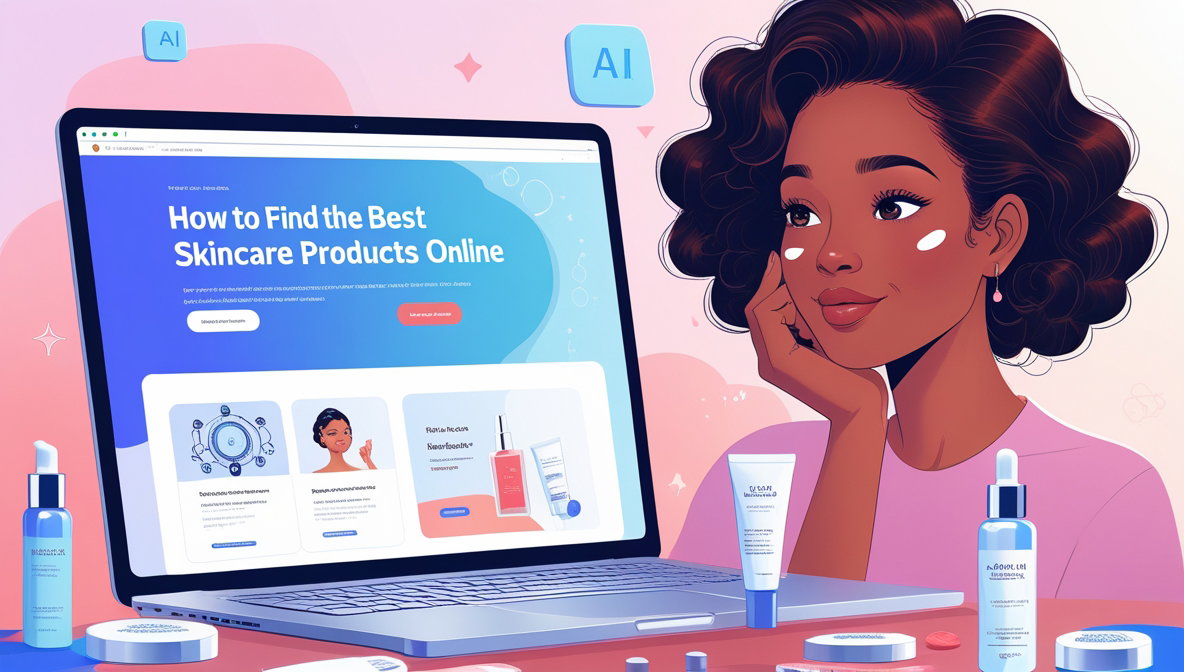
Why Online Skincare Choices Go Wrong
Most product pages focus on marketing claims. Phrases like “for all skin types” or “dermatologist tested” sound reassuring but say little about real-world results. Reviews add context, yet they often reflect extreme outcomes or mismatched skin profiles. One person’s holy grail becomes another person’s irritant.
Ingredient literacy also creates barriers. Many shoppers lack the time to evaluate formulations or spot conflicts between actives. As a result, they rely on brand reputation or social media trends. That approach leads to trial-and-error routines that cost money and patience.AI analysis addresses these gaps by reading patterns at scale and applying them to individual cases.
What AI Analysis Brings to Skincare Shopping
AI systems process massive volumes of skincare data in seconds. They compare ingredient lists, product formulations, user outcomes, and reported skin traits. Instead of promoting popular items, these systems rate Skincare Products Online based on suitability.
.For example, AI can flag potential irritants based on past reactions. It can also identify redundant actives across a routine, helping users avoid overuse. Some systems factor in regional climate data to adjust recommendations for humidity or pollution levels.This method shifts skincare shopping from opinion-driven to evidence-driven. Buyers gain clarity before checkout rather than after a breakout.
How AI Evaluates Products More Accurately
AI does not rely on a single data source. It cross-references multiple inputs to reach conclusions. Common inputs include:
- Ingredient safety databases and regulatory standards
- Peer-reviewed research on actives and concentrations
- Aggregated user outcomes tied to skin traits
- Brand formulation histories and reformulation notes
By weighing these factors together, AI can rate suitability instead of popularity. A product may trend online yet score poorly for sensitive skin or specific conditions. AI highlights that mismatch early.
This process also reduces bias. Influencer promotions and sponsored reviews carry weight in traditional shopping paths. AI focuses on performance indicators rather than hype.
Practical Ways to Use AI Tools When Shopping
Several platforms now integrate AI analysis into skincare shopping. To use them effectively, shoppers should start with accurate inputs. Honest details about skin type, past reactions, and current products improve results. Skipping steps or guessing answers weakens recommendations.
Next, users should review explanation panels. Strong AI tools show why a product fits or fails. These notes often mention ingredient interactions or risk factors. Reading them builds confidence in the selection.Finally, shoppers should compare options side by side. AI often presents ranked lists with clear scoring criteria. This view helps users choose between similar products without relying on brand names alone.
Benefits Beyond Better Purchases
AI analysis does more than guide single purchases. Over time, it helps users build consistent routines. By tracking what works and what does not, AI systems refine future suggestions. This feedback loop saves time and reduces product waste.
Brands also benefit. Clearer matches lead to fewer returns and higher satisfaction. Some companies now use AI insights to adjust formulations or improve labeling clarity.Dermatology professionals have begun to take note as well. While AI does not replace clinical advice, it supports informed conversations between patients and professionals.
Limits to Keep in Mind
AI analysis still depends on data quality. Incomplete studies or biased datasets can skew results. Users should treat AI as a decision aid, not a final authority. Patch testing and professional input remain important, especially for medical conditions.
Privacy also matters. Reputable platforms explain how they store and use skin data. Shoppers should review these policies before sharing details.
The Future of Online Skincare Shopping
As AI models improve, their role in skincare shopping will grow. Expect clearer compatibility scores, routine-level checks, and faster updates when formulations change. The focus will remain on fit, safety, and results rather than trends.
For shoppers tired of guessing, AI analysis offers a practical path forward. It brings structure to a crowded market and replaces uncertainty with informed choice. When used thoughtfully, it turns online skincare shopping into a confident, repeatable process instead of a risky experiment.